
Contract Manufacturing Collaboration: How to Work With a Factory Partner
Short answer: contract manufacturing collaboration works when both sides agree, in writing, on who owns each decision: the specs, the samples, quality standards, payment terms, the IP and the shipping. Most failed partnerships don’t fail because of a bad factory. They fail because nobody owned the gaps between the brand and the factory. This guide covers how to set up that collaboration so it holds up from the first sample to the tenth reorder.
IPS has managed factory partnerships for brands since 2001, across China, Vietnam, Cambodia and Taiwan. What follows is what we have seen work and what we have seen go wrong.
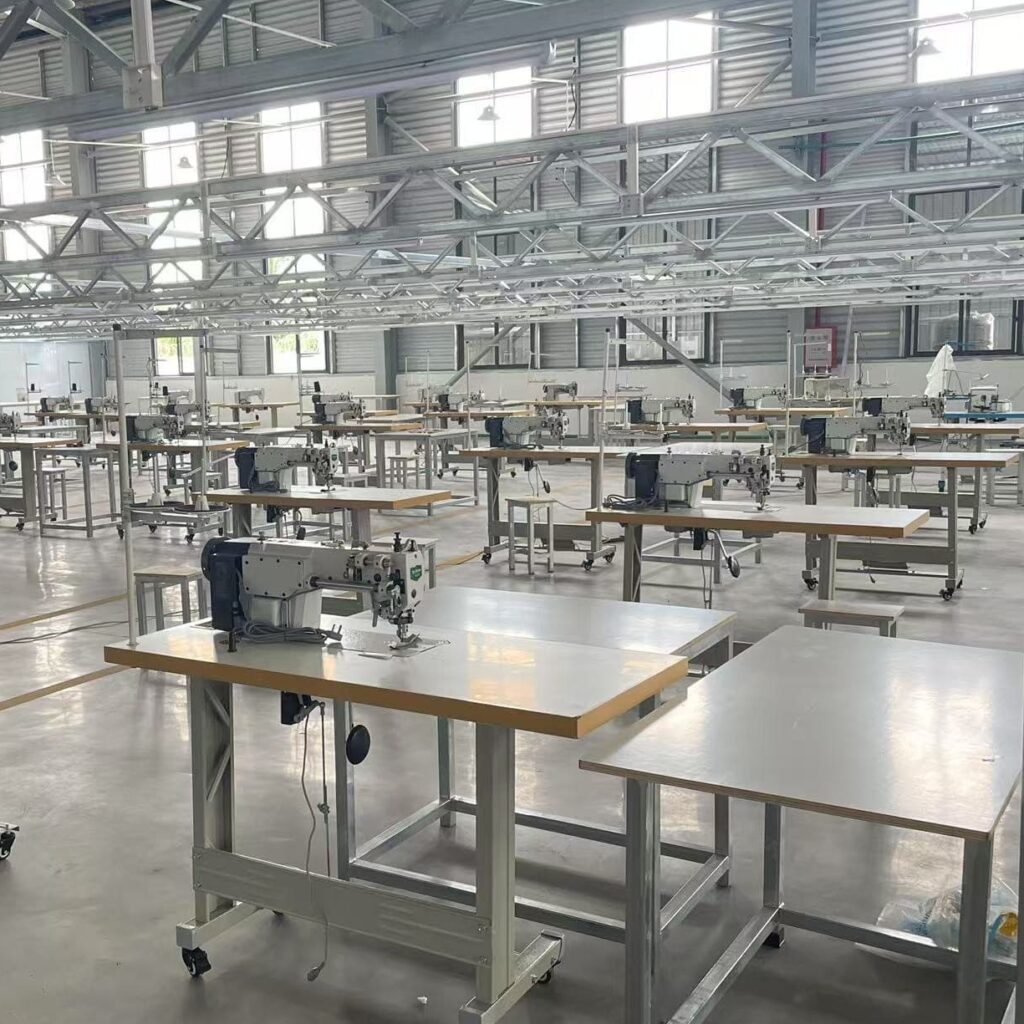
What “collaboration” with a contract manufacturer actually means
A contract manufacturer builds your product to your specifications under your brand. Collaboration is everything around the build: how the specs get written, how changes get approved, how problems get raised, and who pays when something goes wrong.
There are three common setups:
- Factory-direct. You deal with the factory yourself. Lowest apparent cost, but you own every gap: engineering questions, QC, payment risk, freight, duty and import.
- Sourcing agent. Someone finds the factory and may relay messages. They usually don’t take responsibility for the outcome.
- Managed manufacturing partner. A US company that manages development, factories, quality and import for you and quotes a delivered price. This is the model IPS runs. See how it works.
Step 1: Agree on the spec before you agree on the price
A quote is only as good as the spec it was based on. Before you compare prices, put these in writing:
- Materials and finishes (including color references and acceptable variation)
- Dimensions and tolerances that actually matter for function
- Packaging, labeling and carton requirements
- Required testing and certifications for your channel (Amazon, big box and DTC differ)
- Annual volume and order size, honestly estimated
If you only have a sketch or a prototype, that’s normal. Turning it into a buildable spec is part of the development work, not something you need to solve alone. Our guide on how to find a manufacturer for your product covers what to prepare.
Step 2: Define who owns each decision
This is where most collaborations break down. Write down a simple owner for each of these:
- Engineering changes: who can approve a material or design change, and how it is documented
- Golden sample: which approved sample is the standard production will be checked against
- Quality inspection: who inspects, when (in-line and pre-shipment), and what happens if a lot fails
- Tooling: who pays for molds, who owns them, and where they are stored
- Logistics: who books freight, clears customs and pays duty
When a brand works factory-direct, the brand usually owns all of these by default, often without realizing it. With a managed partner, the partner owns them and is accountable for the result.
Not sure where your product would fit? Tell us what you want to make. We reply within one business day with a free viability check: feasibility, best-fit country and factory, and an estimated landed cost. Request your free viability check →
Step 3: Set the communication rhythm
Good factories are busy, and small accounts get answered last. Agree on:
- One named contact on each side (not a different person every week)
- A weekly status update during development and production
- Photo and video check-ins at key milestones: first samples, pre-production, packing
- How urgent issues get escalated, and how fast they get answered
Time zones matter. A partner who can be on a video call with the factory the same day saves weeks over the life of a project.
Step 4: Protect your IP and your terms
Collaboration requires sharing drawings and samples. Protect that with:
- An NDA, and a manufacturing agreement that names who owns the designs and the tooling
- Payment terms you can live with. Large deposits with the balance before shipment push all the risk onto you.
- Clear Incoterms, so you know exactly where your responsibility starts
- Pricing that holds for a defined period, not just for one order
Step 5: Plan for samples, then scale
Expect several sample rounds. Our typical sample window is about 15 to 35 days per round, depending on whether tooling is needed. Use samples to test fit, function and packaging, not only looks.
Once the golden sample is approved, production planning starts. Ask your partner how they would scale if an order doubles, and which second factory or second country they could use if the first one can’t keep up. That multi-country flexibility is often what keeps a product in stock when tariffs or capacity change.
Step 6: Compare on landed cost, not unit price
A low FOB price can turn into an expensive product once freight, duty, inspection, import fees and defects are added. Compare partners on the cost to get finished goods into your US warehouse. Our guide to calculating your true landed cost walks through it, and our costs page explains how IPS quotes.
Warning signs in a contract manufacturing partnership
- Different contacts every time you write
- Answers that change after the deposit is paid
- Reluctance to put specs, tooling ownership or quality standards in writing
- No independent inspection before shipment
- No plan for what happens if a lot fails
What good collaboration looks like in practice
The best partnerships we run look boring from the outside: clear specs, predictable updates, inspections that catch problems before they ship, and reorders that match the first order. Some of our clients have worked with us for decades for exactly that reason.
See it in real projects:
- TubShroom: branded product manufacturing
- Soap Soundz: idea to retail-ready product
- NightWatch dock
- All case studies
Ready to talk about your product?
If you are planning a new product, moving production, or tired of managing factories yourself, tell us what you want to make. We will reply within one business day with a free viability check. No obligation, and you keep the report.
Keep reading
Original Equipment Manufacturer: How to Work with an OEM
Is your business in need of a custom or part or series of parts in an assembly? Partial or completely custom consumer…

Six Sigma Contract Manufacturing Explained Simply
When brands evaluate manufacturing partners, quality is often the top concern—but quality is frequently misunderstood. Many suppliers focus on final inspections, assuming…

Unlocking Success: The Top 5 Mistakes Startups Make in Product Manufacturing Partnerships (and How to Avoid Them)
Navigating the world of product manufacturing can be a daunting task for startups. With dreams of innovation and market disruption, many entrepreneurs…